A hot tub is more than a backyard luxury—it's a small, temperature-controlled ecosystem running through pumps, pipes, jets, and filters. Because warm, moist environments are ideal for bacterial growth, the plumbing system inside your spa requires regular, intentional maintenance. One of the most overlooked areas is the internal plumbing, where biofilm can quietly build up and affect water clarity, sanitation, and overall performance. Understanding how flushing works, what biofilm is, and how to prevent future buildup will keep your hot tub clean, safe, and running efficiently.
Understanding Biofilm in Hot Tub Plumbing
Biofilm is a thin, slimy layer of bacteria and organic contaminants that cling to the inner walls of your spa’s pipes. Even the cleanest-looking water can harbor biofilm because it forms in the plumbing—not just in the tub you can see. Once established, it becomes resistant to normal sanitizers like chlorine and bromine. Biofilm buildup can also cause cloudy water, foul odors, inconsistent sanitizer levels, and poor jet performance.
Why Flushing Your Plumbing Is Essential
Flushing the plumbing with a dedicated line cleaner is the most effective way to strip out accumulated biofilm. These cleaners work by breaking down organic materials stuck within the pipes. Regular flushing helps maintain water balance, improves sanitation efficiency, and reduces the risk of bacterial contamination.
A proper flush should be done three to four times per year, especially before draining and refilling your hot tub. If your spa sees heavy use, or if you’ve noticed recurring cloudy water or unstable sanitizer levels, increasing the flushing frequency can make a significant difference.
How to Flush Your Hot Tub Plumbing
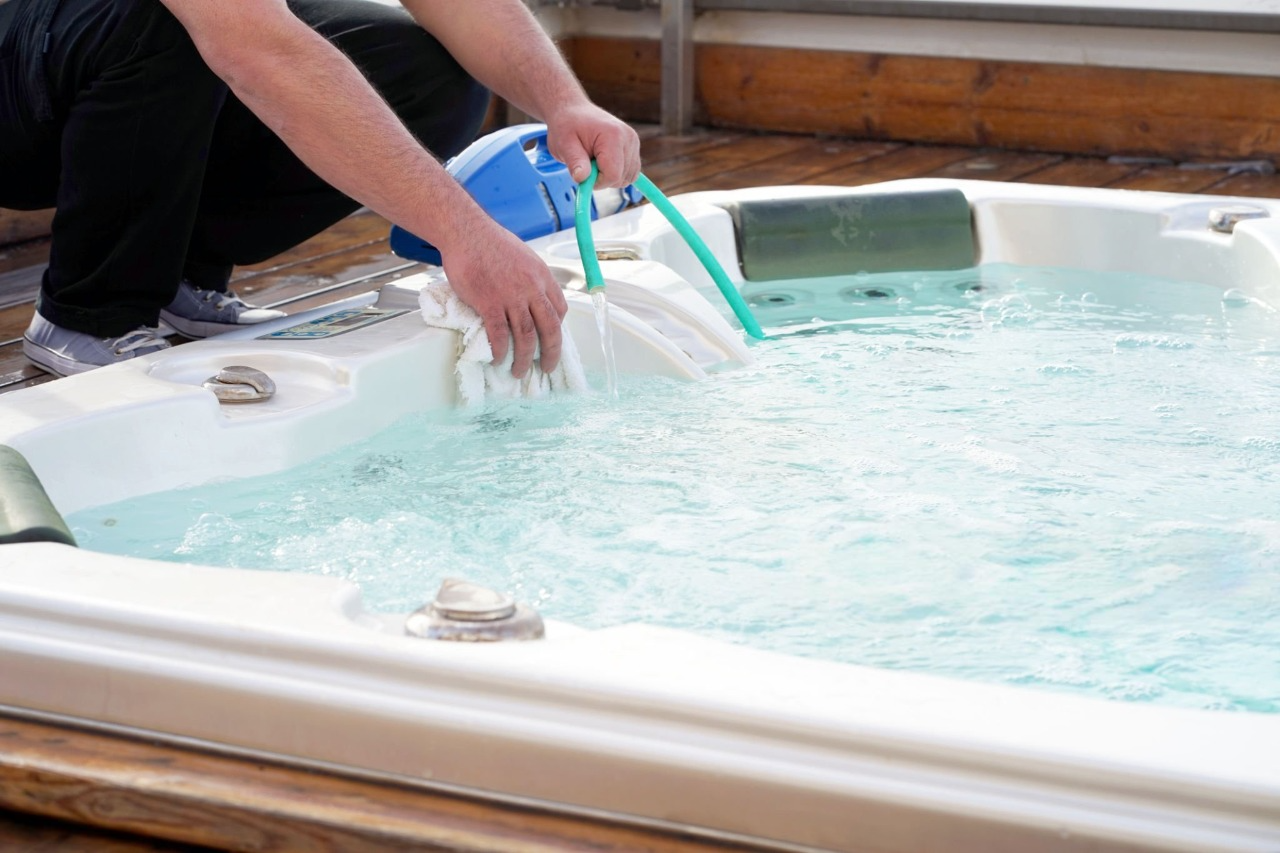
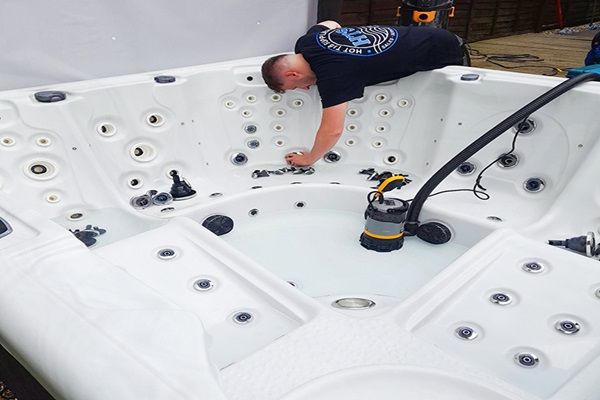
Start by removing filters and adding a spa-approved plumbing flush product directly into the water. Run the jets on high so the cleaner circulates throughout the plumbing. As it works, you’ll often see foam, grime, and residue rise to the surface—this is dislodged biofilm. After circulating for the recommended time, allow the spa to rest, then run the jets again before draining the tub completely. Once drained, rinse the interior thoroughly and clean or replace filters before refilling.
Preventing Biofilm and Keeping Your Plumbing Clean
Good habits make the biggest difference in preventing future biofilm growth. Maintaining proper sanitizer levels, showering before using the hot tub, and regularly cleaning filters all help reduce contamination. Avoid excess lotions, oils, and cosmetics, which contribute to organic buildup in the water and plumbing system.
Routine water testing is another essential component. When pH, alkalinity, or sanitizer levels drift out of balance, the conditions become more favorable for biofilm formation. Keeping water chemistry stable not only protects bathers but also extends the lifespan of pumps and plumbing components.
For an in-depth look at overall hot tub care routines, you can also refer to a detailed hot tub maintenance blog here, which covers steps that complement plumbing flushes—such as filter schedules, water chemistry reminders, and seasonal care tips.
Conclusion
Hot tub plumbing maintenance doesn’t have to be complicated, but it does require consistency. By understanding biofilm, performing regular flushes, and developing good preventive habits, you’ll enjoy clearer water, safer soaking, and a longer-lasting spa. A little attention to the hidden parts of your hot tub goes a long way toward ensuring your relaxation time stays truly stress-free.